
Capacity building and awareness raising activities to promote reduction of medicine residues in water
To successfully implement strategies, action plans and technologies, it’s crucial to raise awareness around water pollution by pharmaceuticals and ways to reduce and combat pollution. In this pillar, we aim to establish a Northwest European-wide knowledge community and support regional communities to raise awareness. We address professional stakeholders, policy makers, and citizens to promote widespread adoption of pharmacy-driven mitigation strategies and on-site water treatment technologies.
We’ve planned multiple activities to promote the adoption of these strategies and technologies.
Knowledge community center
To ensure successful implementation of project results and promote long-term impact, a Northwest European-wide knowledge community center will be established with regional satellites in all participating regions and countries. The community ensures connection with regional networks such as the network Medicijnresten uit Water Noord-Nederland (North Netherlands Network Medicine Residues in Water).
Training courses for pharmacists and general practitioners
It’s important to make sure that medicine residues in water are reduced, not only now, but also in the future. To promote this, education of health professionals (pharmacists, general practitioners, etc.) across Northwest European region should incorporate knowledge on the environmental consequences of medicine use. A training course will be developed for pharmacists and general practitioners, integrating environmental considerations with pharmaceutical care principles. This comprehensive online course will provide knowledge on the epidemiology and biology of medicine and the risk for the environment, as well as potential mitigation actions throughout the water chain. This way, these healthcare professionals can prescribe the most suitable medications based on patient wellbeing, but also environmental wellbeing.
The course will integrate theoretical knowledge with practical case studies and hands-on training. This will allow discussion and exchange and ensure professionals are equipped with the necessary skills to implement efficient and sustainable strategies for reducing pharmaceutical contamination.
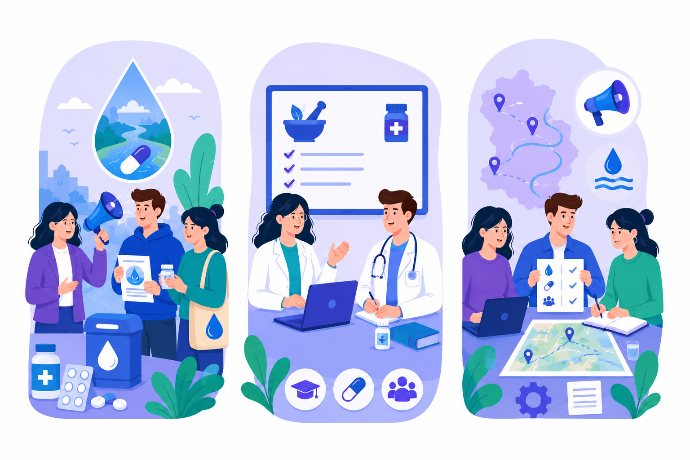
Training course for water sector stakeholders
A training course will be developed for water technology operators, water solution providers and decision makers, and students from relevant studies. Input from the pharmacy sector will be incorporated to ensure the training covers knowledge from both the water sector, and the healthcare sector. This creates a synergy in which both sectors learn from each other. The development of the training course also provides an opportunity to better understand each other in decision making processes.
The course will contain the following components:
- The significance of pharmaceutical contamination in water resources, with emphasis on potential future risks to public health.
- Advanced technologies available for effective removal of pharmaceutical residues.
- Emerging trends in pharmaceutical removal.
- Hybrid approaches in pharmaceutical removal, including biodegradation and physicochemical degradation.
Framework for regional campaigns for citizens
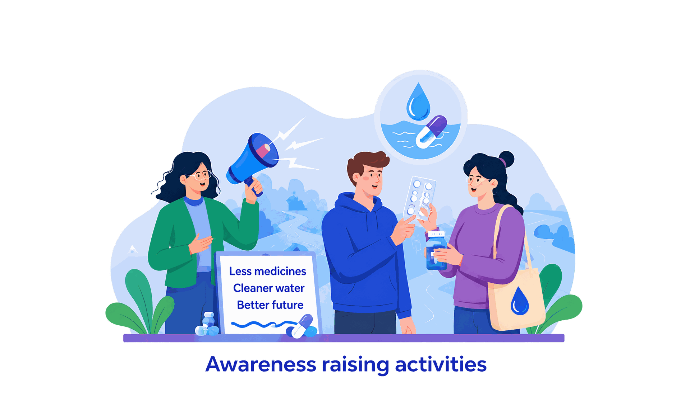
We’ll develop a framework for a comprehensive regional campaign aimed at citizens of Northwest European regions. The campaign educates citizens about the risk of pharmaceuticals in water. By raising awareness and promoting responsible practices, the public can contribute to mitigating risks posed by pharmaceuticals in water sources.
The campaign will contain the following components:
- The importance of proper medication disposal.
- The impact of pharmaceutical pollution on water quality.
- Concrete actions citizens can take to tackle this complex problem.
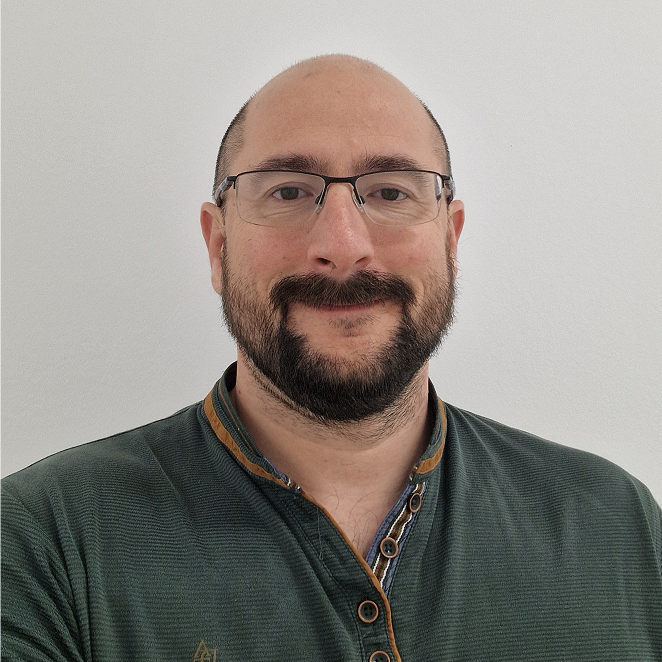
Jimmy Roussel
Jimmy Roussel is a Lead R&T Engineer at LIST with over 15 years’ experience in the field of wastewater treatment, oversees Pillar 3.